
Education
These articles restate, in everyday language, the Google documents we use when we manage an account. The work is not a private expertise claim. It is Google's published guidance, applied to your search data, your website behavior, and the actions those records support.
What Google actually requires before a page can show up
Search Essentials is the baseline: technical access, spam rules, and a short list of practices that matter more than tricks.
How Google finds a site, and what is worth improving next
The starter guide is Google’s plain-language map of crawling, useful pages, titles, and the SEO myths that waste time.
People-first pages, in the language Google uses to judge them
Helpful content is written for a real audience, with enough substance that a reader does not need to search again.
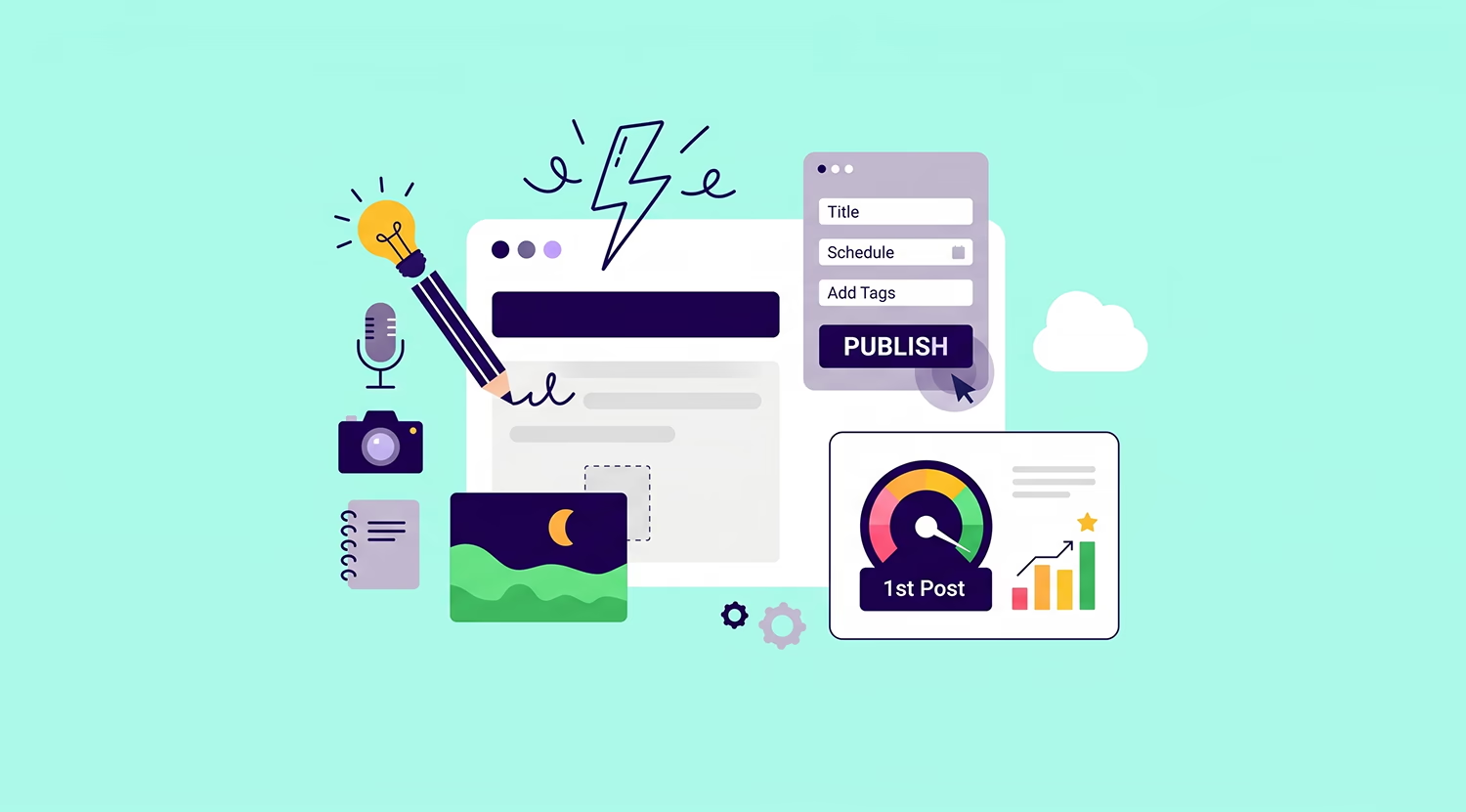
Page experience is the whole visit, not one score
Google rewards pages that are fast, secure, readable on a phone, and easy to use — without a single page-experience ranking switch.
Search Console and Analytics answer different questions
One tool shows what happened in Google results. The other shows what people did after they arrived. Together they explain which pages earn customers.
What Search Console is for, and how often it needs attention
Search Console shows crawling, indexing, and the queries and pages that bring people from Google. It is a monthly check, not a daily dashboard.

How local results are chosen, and what you can actually update
Maps and local Search weigh relevance, distance, and how well known the business is. The profile is how you keep that information accurate.
AI answers in Google still depend on ordinary SEO
AI Overviews and AI Mode retrieve pages from Search. Unique, people-first content and a crawlable site matter more than new “AI SEO” files.